प्रमुखता देना:
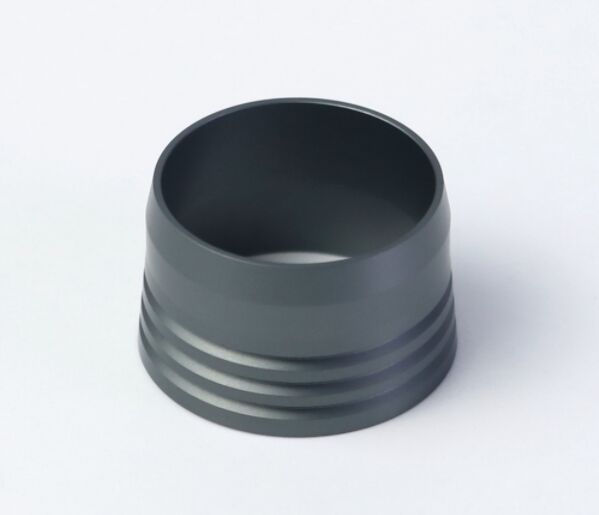
कस्टम काले एनोडाइज्ड एल्यूमीनियम भागों
, सीएनसी टर्निंग एल्यूमीनियम घटक
, सटीक परिष्करण एल्यूमीनियम भागों
कस्टमाइज्ड ब्लैक एनोडाइज्ड एल्यूमिनियम टर्निंग और फिनिशिंग एल्यूमिनियम पार्ट्स
ब्लैक एनोडाइज्ड एल्यूमीनियम की मशीनिंग के लिए संपूर्ण मार्गदर्शिका: ब्लैंक से तैयार भाग तक
ब्लैक एनोडाइज्ड एल्यूमीनियम के हिस्से प्रीमियम उपभोक्ता इलेक्ट्रॉनिक्स, एयरोस्पेस असेंबली और ऑटोमोटिव ट्रिम में अपनी चिकनी उपस्थिति और बेहतर स्थायित्व के कारण सर्वव्यापी हैं। हालाँकि, इन घटकों की सफलतापूर्वक मशीनिंग करना—चाहे एनोडाइजिंग से पहले या बाद में—आयामी सटीकता और कठोर, सजावटी कोटिंग दोनों को संरक्षित करने के लिए विशिष्ट रणनीतियों की आवश्यकता होती है।
एक विनिर्माण दृष्टिकोण से, ब्लैक एनोडाइज्ड एल्यूमीनियम एक दोहरी चुनौती प्रस्तुत करता है: प्रारंभिक मशीनिंग के दौरान बेस एल्यूमीनियम मिश्र धातुओं की नरम, चिपचिपी प्रकृति, और पोस्ट-प्रोसेस फिनिशिंग के दौरान एनोडाइज्ड परत की अत्यधिक कठोरता और भंगुरता। यह मार्गदर्शिका उच्च-सटीक ब्लैक एनोडाइज्ड घटकों के उत्पादन के लिए एक व्यावहारिक, कार्यशाला-परीक्षित वर्कफ़्लो प्रदान करती है, जो वास्तविक उत्पादन डेटा पर आधारित है।
ब्लैक एनोडाइज्ड एल्यूमीनियम भागों के लिए चरण-दर-चरण विनिर्माण वर्कफ़्लो
का चुनाव कब एनोडाइज करना है—सटीक मशीनिंग से पहले या बाद में—महत्वपूर्ण है और संपूर्ण प्रक्रिया प्रवाह को परिभाषित करता है।
1. सामग्री चयन और प्री-एनोडाइज मशीनिंग (रफिंग)
उन भागों के लिए जहाँ एनोडाइज्ड सतह कोई भार या सटीक फिट नहीं लेती है, थोक सामग्री की मशीनिंग पहले एनोडाइजिंग मानक है।
H3: एल्यूमीनियम के लिए व्यावहारिक सेटअप और मशीनिंग पैरामीटर (उदाहरण के लिए, 6061-T6)
टूलिंग: सामग्री को धब्बा लगने से रोकने के लिए तेज, पॉलिश-फ्लूट कार्बाइड एंड मिल (फिनिशिंग के लिए 3-फ्लूट)।
शीतलक: चिप्स को निकालने और बिल्ट-अप एज को रोकने के लिए शीतलकों की भरपूर मात्रा का उपयोग करें, जिससे खराब सतह खत्म होती है।
वास्तविक दुकान पैरामीटर (रफिंग के लिए):
स्पिंडल गति: 12,000 - 18,000 RPM
फ़ीड दर: 1,500 - 2,500 मिमी/मिनट
कट की गहराई: 0.5 - 2.0 मिमी (त्रिज्या), 0.2 - 0.5 मिमी (अक्षीय)
सतह खत्म लक्ष्य: एक समान Ra 1.6 - 3.2 μm का लक्ष्य रखें। खरोंच या टूल के निशान एनोडाइजिंग प्रक्रिया द्वारा हाइलाइट और आवर्धित किए जाएंगे।
प्रो टिप: यदि भाग को पोस्ट-एनोडाइज असेंबली (उदाहरण के लिए, प्रेस-फिट बेयरिंग) की आवश्यकता होती है, तो संबंधित बोर को मशीन करें 0.02-0.05mm undersized एनोडाइजिंग से पहले। एनोडिक परत इसे अंतिम आयाम तक ले आएगी।
2. एनोडाइजिंग प्रक्रिया: मशीनियों के लिए विनिर्देश
यह सुनिश्चित करने के लिए कि फिनिश इंजीनियरिंग आवश्यकताओं को पूरा करता है, आपके एनोडाइजिंग आपूर्तिकर्ता के साथ स्पष्ट संचार आवश्यक है।
H3: परिभाषित करने के लिए प्रमुख एनोडाइजिंग विनिर्देश
प्रकार: टाइप II (सजावटी) अधिकांश अनुप्रयोगों के लिए, या टाइप III (हार्डकोट) अत्यधिक पहनने के प्रतिरोध के लिए।
मोटाई: आमतौर पर टाइप II के लिए 0.5 - 1.0 मिल (12.7 - 25.4 μm)। आयामी वृद्धि को नियंत्रित करने के लिए "न्यूनतम" और "अधिकतम" निर्दिष्ट करें।
रंग: "ट्रू ब्लैक" या "जेट ब्लैक" निर्दिष्ट करें। सुसंगत रंग के लिए, बैचों में रंग लॉट स्थिरता का अनुरोध करें।
सीलिंग: हॉट डीआई वाटर सील या मध्य-तापमान सील. निकल एसीटेट सीलिंग सर्वोत्तम संक्षारण प्रतिरोध प्रदान करती है।
महत्वपूर्ण डेटा बिंदु: एनोडिक परत लगभग 50% अंदर और 50% बाहर मूल एल्यूमीनियम सतह का। 25μm (0.001") मोटी परत के लिए, हर उजागर सतह पर ~12.5μm (0.0005") वृद्धि. इसे प्री-एनोडाइज सहनशीलता में शामिल किया जाना चाहिए।
3. पोस्ट-एनोडाइज मशीनिंग और फिनिशिंग
कठोर एनोडिक परत के माध्यम से मशीनिंग के लिए कोटिंग को चिपिंग या डीलेमिनेटिंग से बचने के लिए एक पूरी तरह से अलग दृष्टिकोण की आवश्यकता होती है।
H3: पोस्ट-एनोडाइज वर्क के लिए टूलिंग और रणनीति
टूलिंग: तेज का प्रयोग करें, हीरा-लेपित या पॉलीक्रिस्टलाइन हीरा (PCD) उपकरण. कार्बाइड तेजी से खराब हो जाएगा।
ऑपरेशन: केवल हल्के, फिनिशिंग पास। लक्ष्य नरम सब्सट्रेट में काटने के बिना विशिष्ट क्षेत्रों (उदाहरण के लिए, विद्युत संपर्क बिंदु, सीलिंग सतहों) से एनोडाइज को हटाना है।
वास्तविक दुकान पैरामीटर (डी-एनोडाइजिंग के लिए):
स्पिंडल गति: 6,000 - 10,000 RPM
फ़ीड दर: 100 - 300 मिमी/मिनट
कट की गहराई: 0.01 - 0.05 मिमी (बस एनोडिक परत में साफ-सुथरा प्रवेश करने के लिए)।
3: #1 समस्या और समाधान
समस्या: कठोर एनोडाइज्ड परत के माध्यम से नरम एल्यूमीनियम में प्रवेश करते समय मशीनीकृत सुविधाओं के किनारे पर चिपिंग या "फ्लेकिंग"।
समाधान: उपयोग करें क्लाइम्ब मिलिंग और एक टूलपाथ जो एनोडाइज्ड एज के माध्यम से और खुली हवा में कट से बाहर निकलता है, दूसरे तरीके से नहीं। यह कोटिंग को साफ-सुथरा काटता है।
4. गुणवत्ता सत्यापन और परीक्षण
अंतिम निरीक्षण यह सुनिश्चित करता है कि एनोडाइज्ड कोटिंग सौंदर्य और कार्यात्मक दोनों मानकों को पूरा करती है।
H3: आवश्यक गुणवत्ता जांच
कोटिंग मोटाई: एक एडी करंट या चुंबकीय प्रेरण गेज से सत्यापित करें। कई सतहों की जाँच करें।
अधेशन परीक्षण: ASTM D3359 के अनुसार एक क्रॉस-हैच कटर और टेप का उपयोग करें। कोटिंग को शून्य निष्कासन दिखाना चाहिए।
रंग स्थिरता: एक लाइटफ़ास्टनेस टेस्ट (यूवी के संपर्क में) और एक रब टेस्ट डाई ब्लीड की जांच के लिए एक गीले कपड़े से।
विद्युत अलगाव: गैर-प्रवाहकीय आवश्यकताओं के लिए, एक मल्टीमीटर से सत्यापित करें। एनोडाइज्ड सतहें इन्सुलेटिव होनी चाहिए।
सटीक मशीनीकृत ब्लैक एनोडाइज्ड भागों के अनुप्रयोग
एयरोस्पेस: आंतरिक ट्रिम, कैमरा हाउसिंग, हल्के ब्रैकेट।
चिकित्सा: डिवाइस बाड़े, सर्जिकल टूल हैंडल, इंस्ट्रूमेंट पैनल।
उपभोक्ता इलेक्ट्रॉनिक्स: लैपटॉप चेसिस, कैमरा बॉडी, स्पीकर ग्रिल, ट्रिम बेज़ल।
ऑप्टिकल और रक्षा: हीट सिंक, लेंस बैरल, स्कोप बॉडी (कम परावर्तन के लिए)।
मूल्य निर्धारण और आदेश विचार
लागत क्या चलाती है?
1. सामग्री: एल्यूमीनियम का ग्रेड (6061 बनाम 7075)।
2. भाग जटिलता: गहरी जेब, पतली दीवारें और छोटी विशेषताएं मशीनिंग समय बढ़ाती हैं।
3. एनोडाइजिंग विशिष्टता: टाइप III (हार्डकोट) टाइप II की तुलना में काफी अधिक महंगा है। मोटी कोटिंग और विशेष रंग लागत जोड़ते हैं
4. पोस्ट-एनोडाइज मशीनिंग: कोटिंग के बाद किसी भी आवश्यक सटीक मशीनिंग से एक अलग, उच्च-कौशल प्रक्रिया चरण जुड़ जाता है।
Q1: क्या एनोडाइजिंग के बाद थ्रेड्स को टैप किया जा सकता है?
A: यह दृढ़ता से हतोत्साहित किया जाता है। कठोर कोटिंग टैप को नुकसान पहुंचाएगी और खराब थ्रेड्स का उत्पादन करेगी। हमेशा टैप करें पहले एनोडाइजिंग। पोस्ट-असेंबली समायोजन के लिए, प्री-एनोडाइज स्थापित थ्रेड इंसर्ट का उपयोग करें।
Q2: मैं एक जटिल भाग पर पूरी तरह से समान काला रंग कैसे प्राप्त करूँ?
A: एकरूपता मिश्र धातु स्थिरता, सतह खत्म एकरूपता प्री-एनोडाइज, और एनोडाइज प्रक्रिया के दौरान रैकिंग पर निर्भर करती है। अपने एनोडाइज़र के साथ भाग अभिविन्यास पर चर्चा करें। विभिन्न एल्यूमीनियम श्रृंखला (उदाहरण के लिए, 6061 बनाम 2024) भी थोड़ा अलग रंग करेंगी।
Q3: क्या ब्लैक एनोडाइज क्लियर एनोडाइज के समान संक्षारण प्रतिरोध प्रदान करता है?
A: सुरक्षात्मक ऑक्साइड परत समान है। डाई स्वयं कोई अतिरिक्त सुरक्षा प्रदान नहीं करती है; कुंजी रंगाई के बाद "सीलिंग" प्रक्रिया की गुणवत्ता है। एक खराब सील वाली काली परत एक अच्छी तरह से सील की गई स्पष्ट परत की तुलना में संक्षारण के लिए अधिक प्रवण हो सकती है।प्रसंस्करणसीएनसी टर्निंग, सीएनसी मिलिंग, लेजर कटिंग, बेंडिंग, स्पिनिंग, वायर कटिंग, स्टैम्पिंग, इलेक्ट्रिक डिस्चार्ज मशीनिंग (ईडीएम), इंजेक्शन मोल्डिंग, 3डी प्रिंटिंग, रैपिड प्रोटोटाइप, मोल्ड्स आदि।
|
|
एल्यूमीनियम: 2000 श्रृंखला, 6000 श्रृंखला, 7075, 5052, आदि।
|
स्टेनलेस स्टील: SUS303, SUS304, SS316, SS316L, 17-4PH, आदि।
|
स्टील: 1214L/1215/1045/4140/SCM440/40CrMo, आदि।
|
|
पीतल: 260, C360, H59, H60, H62, H63, H65, H68, H70, कांस्य, तांबा
|
|
टाइटेनियम: ग्रेड F1-F5
|
|
प्लास्टिक: एसीटल/पीओएम/पीए/नायलॉन/पीसी/पीएमएमए/पीवीसी/पीयू/एक्रिलिक/एबीएस/पीटीएफई/पीईईके आदि।
|
|
सतह उपचार
|
|
एनोडाइज्ड, बीड ब्लास्टेड, सिल्क स्क्रीन, पीवीडी प्लेटिंग, जिंक/निकल/क्रोम/टाइटेनियम प्लेटिंग, ब्रशिंग, पेंटिंग, पाउडर कोटेड, पैसिवेशन, इलेक्ट्रोफोरेसिस, इलेक्ट्रो पॉलिशिंग, नर्ल, लेजर/एच/एंग्रेव आदि।
|
|
|
±0.002 ~ ±0.005mm
|
|
|
मिन रा 0.1~3.2
|
|
|
ISO9001:2015,AS9100D,ISO13485:2016,ISO45001:2018,IATF16949:2016,ISO14001:2015,ROSH,CE आदि।
|
|
अस्वीकरण:
|
प्रदान किए गए मशीनिंग पैरामीटर और डेटा 6061-T6 एल्यूमीनियम और टाइप II/III सल्फ्यूरिक एसिड एनोडाइजिंग के साथ विशिष्ट कार्यशाला अनुभवों पर आधारित हैं। इष्टतम सेटिंग्स विशिष्ट मशीन टूल्स, टूलहोल्डर्स, भाग ज्यामिति और एनोडाइजिंग विक्रेता प्रक्रियाओं के आधार पर भिन्न हो सकती हैं। महत्वपूर्ण अनुप्रयोगों के लिए हमेशा परीक्षण रन करें और अपने विनिर्माण और परिष्करण भागीदारों से परामर्श करें।
|
अक्सर पूछे जाने वाले प्रश्न1. क्या आप एक निर्माता हैं या एक ट्रेडिंग कंपनी?

हम शेन्ज़ेन, चीन में स्थित एक कारखाना हैं, जिसके पास 20 वर्षों का समृद्ध अनुभव है,
6000 वर्ग मीटर को कवर करता है। पूरी सुविधाएं, जिसमें 3डी गुणवत्ता निरीक्षण उपकरण, ईआरपी सिस्टम और 40 मशीनें शामिल हैं। यदि आवश्यक हो, तो हम आपको सामग्री प्रमाण पत्र, नमूना गुणवत्ता निरीक्षण और अन्य रिपोर्ट प्रदान कर सकते हैं।
2. कोटेशन कैसे प्राप्त करें?
विस्तृत चित्र (पीडीएफ/स्टेप/आईजीएस/डीडब्ल्यूजी...), जिसमें गुणवत्ता, डिलीवरी की तारीख, सामग्री, गुणवत्ता, मात्रा, सतह उपचार और अन्य जानकारी शामिल है।
3. क्या मैं चित्रों के बिना उद्धरण प्राप्त कर सकता हूँ?
क्या आपकी इंजीनियरिंग टीम मेरी रचनात्मकता के लिए ड्रा कर सकती है? बेशक, हमें सटीक उद्धरण के लिए आपके नमूने, चित्र या विस्तृत आकार के मसौदे प्राप्त करने में भी खुशी हो रही है।
4. क्या आप बड़े पैमाने पर उत्पादन से पहले नमूने प्रदान कर सकते हैं?
बेशक, नमूना शुल्क आवश्यक है। यदि संभव हो, तो इसे बड़े पैमाने पर उत्पादन के दौरान वापस कर दिया जाएगा।
5. डिलीवरी की तारीख क्या है?
आमतौर पर, नमूना 1-2 सप्ताह तक रहता है और बैच उत्पादन 3-4 सप्ताह तक रहता है।
6. आप गुणवत्ता को कैसे नियंत्रित करते हैं?
(1) सामग्री निरीक्षण - सामग्री सतहों और अनुमानित आयामों की जाँच करें।
(2) उत्पादन का पहला निरीक्षण - सुनिश्चित करें
बड़े पैमाने पर उत्पादन में महत्वपूर्ण आयाम।
(3) नमूना निरीक्षण - गोदाम में डिलीवरी से पहले गुणवत्ता की जाँच करें।
(4) शिपमेंट से पहले निरीक्षण - शिपमेंट से पहले क्यूसी सहायक द्वारा 100% निरीक्षण।
7. बिक्री के बाद सेवा दल
यदि आपको उत्पाद प्राप्त करने के बाद कोई समस्या है, तो आप एक महीने के भीतर वॉयस कॉल, वीडियो कॉन्फ्रेंस, ईमेल आदि के माध्यम से प्रतिक्रिया प्रदान कर सकते हैं। हमारी टीम एक सप्ताह के भीतर आपको समाधान प्रदान करेगी।


 आपका संदेश 20-3,000 अक्षरों के बीच होना चाहिए!
 english
 français
 Deutsch
 Italiano
 Русский
 Español
 português
 Nederlandse
 ελληνικά
 日本語
日本語
 한국
한국
 العربية
 हिन्दी
 Türkçe
 indonesia
 tiếng Việt
 ไทย
ไทย
 বাংলা
বাংলা
 فارسی
فارسی
 polski



समग्र रेटिंग
रेटिंग स्नैपशॉट
निम्नलिखित सभी रेटिंग का वितरण हैसभी समीक्षाएँ